Give 5 out of 5 The experience was very nice I get a good dish of Hakata style eel. The atmosphere in the restaurant was good, all services are good. Recommend
Overview
Tucked inside the elegant Hakata Eel Restaurant Fujiuna Tenjin at Japan, 〒810-8587 Fukuoka, Chuo Ward, Daimyo, 2 Chome−6−60 Nishitetsu Grand Hotel, 1F, this unassuming spot has quietly built a reputation for serving some of the most satisfying unagi in Fukuoka. I first walked in on a humid summer afternoon after hearing a local food writer compare their eel preparation to traditional techniques preserved in Hakata for generations. After several visits since, I can confidently say the praise wasn’t exaggerated.
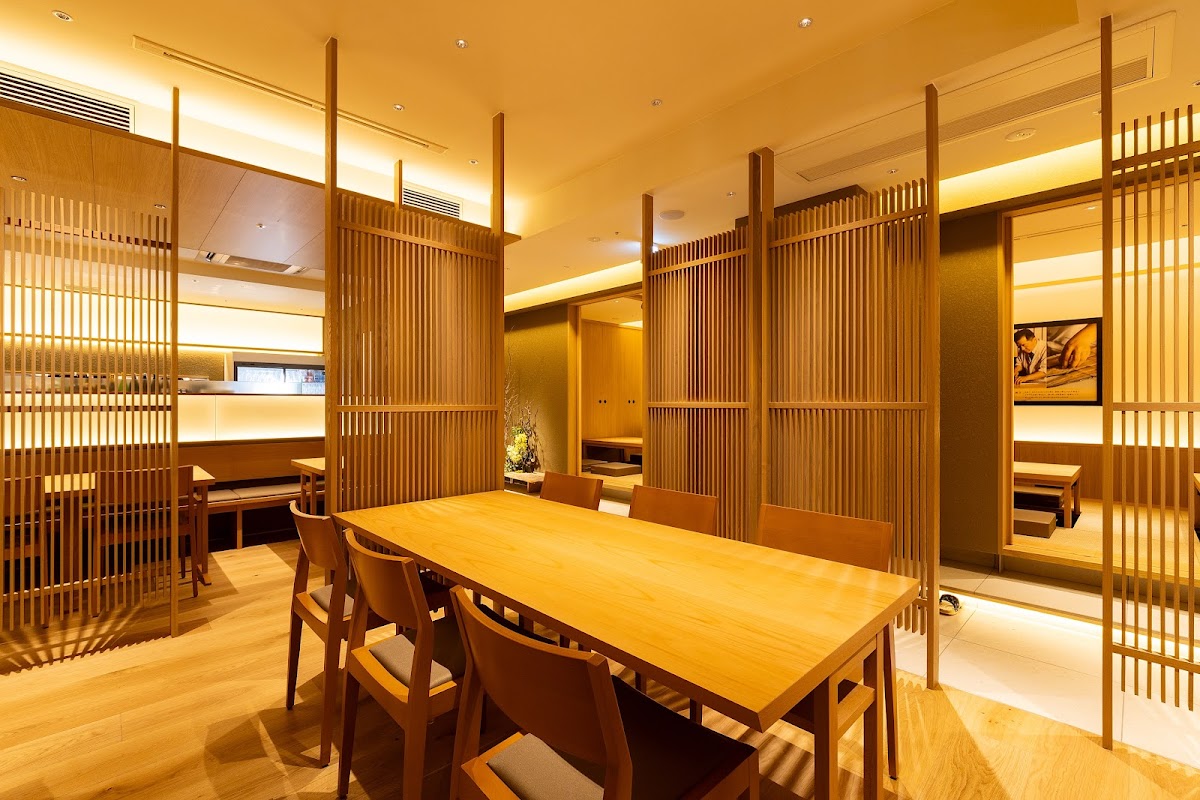
The restaurant sits on the ground floor of the refined Nishitetsu Grand Hotel, which already hints at a certain standard. Yet the atmosphere inside is warm rather than formal. Wooden interiors, the subtle aroma of charcoal grilling, and the quiet focus of diners leaning over lacquered boxes of eel create a calm, almost meditative dining experience. It feels like a place where people come specifically for the food, not just convenience.
Let’s talk about the menu, because that’s where the magic begins. The star, of course, is unagi-freshwater eel grilled over binchotan charcoal. In Japan, eel preparation is an art form. According to culinary historians and the All Japan Eel Association, proper unagi requires precise filleting, skewering, steaming, and grilling in stages to achieve that signature balance: crisp skin, fluffy interior, and caramelized tare sauce. Fujiuna Tenjin follows the Kansai-Hakata hybrid style. The eel is grilled carefully, basted repeatedly with a sweet-savory soy-based glaze, then served over premium Japanese rice.
On my first visit, I ordered the classic unaju set. The lacquer box arrived with glossy fillets layered neatly over rice, accompanied by pickles and clear soup. The first bite delivered a smoky edge, followed by the richness of the eel fat melting into the rice. What stood out most was texture control. Many places overcook eel, making it rubbery. Here, it was tender but structured, proof of skilled technique and timing. The grilling station is partially visible, and watching the chefs rotate skewers methodically shows just how controlled the process is.
Nutritionally, eel is no lightweight either. The Japanese Ministry of Education, Culture, Sports, Science and Technology has long highlighted unagi as a source of protein, vitamin A, and omega-3 fatty acids. Traditionally, Japanese families eat eel during midsummer’s “Doyo no Ushi no Hi” to boost stamina. Whether or not you believe in seasonal food traditions, the richness certainly feels restorative.
Another detail worth noting is consistency. I returned with a colleague who works in food distribution, and he paid attention to supply quality. He pointed out the clean flavor profile-no muddy aftertaste, which can happen if sourcing is careless. That speaks to responsible procurement and freshness control. While the restaurant doesn’t publicly detail its suppliers, the quality suggests strict selection standards. Of course, as with any establishment, seasonal variations may slightly affect taste, but during my visits the quality remained steady.
Service also deserves mention. Staff explain menu options clearly, from larger premium eel portions to lighter lunch sets. If you’re unsure which size to order, they’ll guide you without upselling. Reviews from both locals and travelers often mention the attentive but unobtrusive hospitality, which aligns with my experience.
Location-wise, being in Daimyo makes it convenient for shoppers and business travelers alike. After exploring Tenjin’s boutiques or attending meetings nearby, it’s an easy walk. Despite being inside a hotel, prices are reasonable considering the craftsmanship involved. In fact, compared to some high-end Tokyo unagi specialists, the value here feels balanced.
If you appreciate Japanese cuisine beyond sushi and ramen, this is a place that demonstrates how focused mastery can elevate a single ingredient. From charcoal technique to sauce layering, every detail supports the final plate. Hakata Eel Restaurant Fujiuna Tenjin doesn’t rely on flashy presentation or trendy fusion twists. Instead, it delivers something far more compelling: deeply traditional eel prepared with patience, skill, and respect for culinary heritage.
Good to know
Service options
✓ On-site services ✓ Takeaway ✓ Dine-in ✓ DeliveryHighlights
✓ All you can drinkPopular for
✓ Lunch ✓ Dinner ✓ Solo diningAccessibility
✓ Wheelchair-accessible seating ✓ Assistive hearing loop ✓ Wheelchair-accessible car park ✓ Wheelchair-accessible entrance ✓ Wheelchair-accessible toiletOfferings
✓ Alcohol ✓ Beer ✓ Cocktails ✓ Private dining roomDining options
✓ Lunch ✓ Dinner ✓ Dessert ✓ Table serviceAmenities
✓ ToiletAtmosphere
✓ Cosy ✓ QuietCrowd
✓ TouristsPlanning
✓ Dinner reservations recommended ✓ Accepts reservationsPayments
✓ Credit cards ✓ PayPay ✓ au PAY ✓ dBarai ✓ Rakuten Pay ✓ Transit IC cards ✓ V-Money ✓ Credit cardsParking
✓ Free parking lot ✓ Paid parking lot ✓ ParkingPhotos
1 / 4
Location
Reviews
- No ratings yet 181 reviews
Cozy, quiet and near the hotel. It’s walking distance and menu with pictures. If you are looking for a short walk for a quick bite this is the ideal restaurant. They are an eel specialty restaurant, I had the combo ell set with white and soy eel. There are tiny fish bones that you can eat without hurting your throats. They also have elk liver on stick, but they were sold out when I tried to order. They have grilled ell bones, it’s like beef jerky but rich in calcium, ideal snack if you just want to eat something. Definitely will revisit soon!
This is our lunch before we head to airport. Very nice environment and food. Nice hospitality!
This grilled eel and eel hotpot from this restaurant taste amazing
If you're hoping to try some unagi in fukuoka you will be in safe hands here, absolutely delicious.